Top Types of Wire Railing for Global Buyers

Choosing the right wire railing begins with understanding how each system performs in real spaces. Global buyers often compare stainless steel cable railing, wire mesh railing, and framed or coated-wire designs. Each option creates a different balance of visibility, strength, maintenance, and installation effort. A cable system can preserve an open view across a balcony or stairway. Mesh panels may offer a firmer barrier where safety and containment matter more. Coated wire can provide added visual softness, but its finish requires careful inspection over time.

Reliable purchasing decisions depend on more than appearance. Material grade, wire diameter, post spacing, tensioning hardware, and drainage details all affect service life. Stainless steel may suit coastal environments, yet the correct grade still depends on local exposure and maintenance conditions. Small details matter. Salt deposits can gather around fittings. Poor tension can leave visible sagging within months. Specifications should be checked against applicable building requirements and verified with qualified local professionals before production.

No single wire railing fits every market. That is easy to overlook. Factory photographs rarely reveal installation tolerances, handrail comfort, or difficult corners. Experienced suppliers should provide drawings, material documentation, load information, finish samples, and clear packaging details. Buyers should also request evidence of quality control, such as dimensional checks and corrosion-resistant hardware records. Even then, uncertainty remains. A successful choice combines technical evidence with site experience, realistic maintenance planning, and honest communication between designers, contractors, and manufacturers. This guide examines the top types of wire railing and the practical conditions that make each one suitable.
Top Types of Wire Railing for Global Buyers

What Is Wire Railing and How Does It Work?

Wire railing is a safety barrier made from tensioned metal cables, posts, and connecting hardware. Unlike solid balustrades, it preserves sightlines and allows air to pass through. Most systems use horizontal stainless-steel wire rope, while vertical layouts suit some staircases and guard applications. The wire does not support people by itself. Posts transfer forces into the deck, floor, or stair structure. That detail matters.

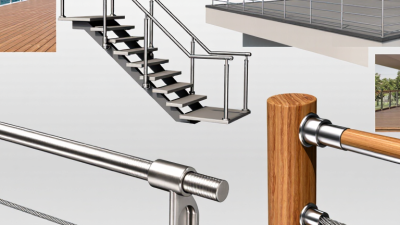
During installation, cables pass through drilled posts and tighten with threaded terminals or tensioners. Correct tension keeps each line straight without overloading the posts. A top rail spreads hand pressure and improves comfort. Openings must remain small enough to reduce fall risks, especially where children may be present. Local building rules differ, so buyers should verify spacing, height, loads, and corrosion requirements before ordering. Generic dimensions are not reliable everywhere. It can look simple. It is not.

For coastal sites, corrosion-resistant stainless steel and sealed fittings are often practical choices. Material selection still depends on salt exposure and maintenance. In field inspections, loose end fittings and uneven tension appear more often than broken cable. Cleaning removes salt and grit before they damage surfaces. Temperature changes can also alter cable tension slightly. This is easy to overlook.

One assumption deserves reconsideration: thinner cables are not always more elegant. Buyers should request cable diameter, post thickness, anchor details, test data, and installation guidance.

Main Types of Wire Railing for Different Applications

Top Types of Wire Railing for Global Buyers

Main Types of Wire Railing for Different Applications

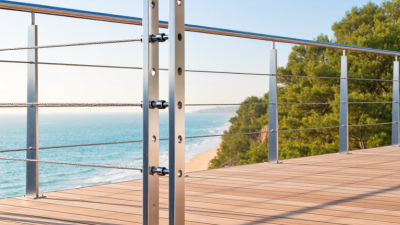
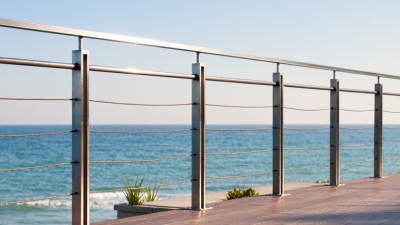
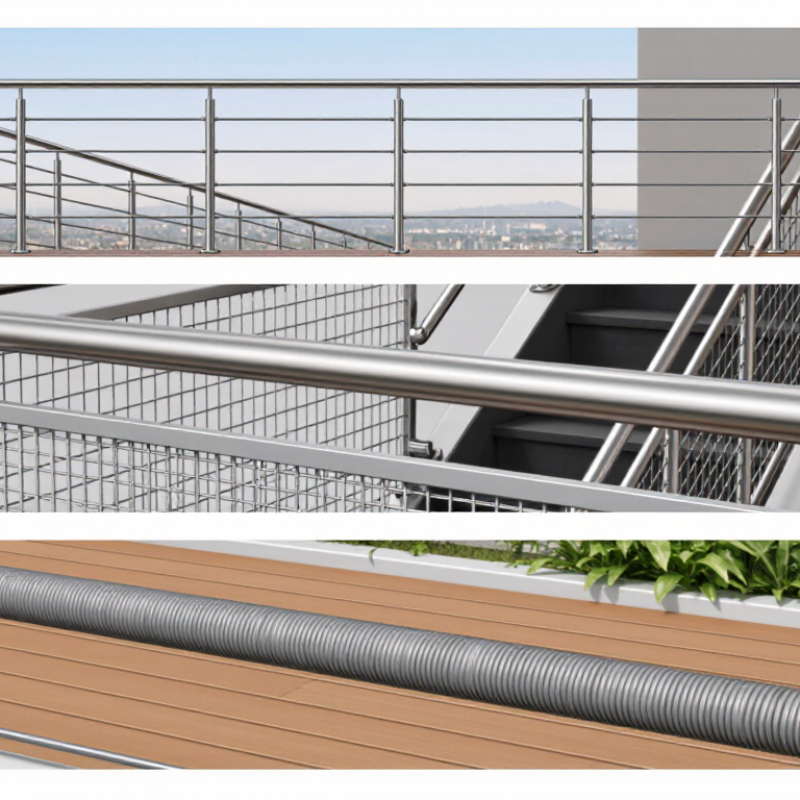
Horizontal cable railing suits decks, balconies, and waterfront homes. Thin stainless-steel cables preserve open views while supporting a clean architectural style. It needs accurate tensioning, firm end posts, and regular inspection. Salt air can expose weak materials quickly.

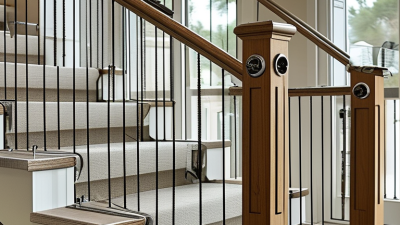
Vertical wire railing works well on stairs and narrow balconies. Its upright lines reduce climbing opportunities and simplify spacing control. This option often feels more traditional. It can also be easier to align around corners and changing stair angles. Measure every section carefully.

Wire mesh railing fits commercial walkways, platforms, and industrial areas. Its welded grid provides stronger visual containment than open cables. Small openings can help protect tools, bags, or children from slipping through. The frame must match the mesh strength and expected traffic.

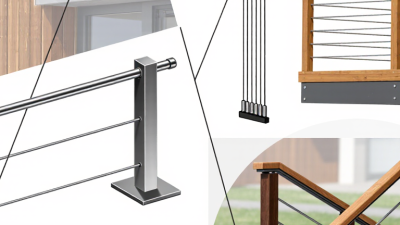
For modern residential interiors, slim rod or wire infill can create a lighter appearance. However, appearance should not lead the decision. Check local height, opening, handrail, load, and corrosion requirements before ordering. Requirements vary by region. Choose marine-grade stainless steel near coasts, but do not assume it is maintenance-free. Rinse exposed surfaces and inspect fasteners for staining or looseness. A railing may look perfect during installation yet perform poorly after one harsh winter. That possibility deserves honest planning.

Wire Railing Materials, Finishes, and Structural Features

Top Types of Wire Railing for Global Buyers

Wire Railing Materials, Finishes, and Structural Features

Wire railing is usually built with stainless steel cable, posts, terminals, and tensioning hardware. Stainless steel offers strong corrosion resistance and a clean appearance. Grade 316 performs better near coastlines because molybdenum improves resistance to salt exposure. Grade 304 suits many inland applications and usually costs less. Not every finish fits.

Brushed finishes hide small scratches and fingerprints better than polished surfaces. Powder-coated posts provide more color options, but damaged coatings need careful repair. The World Steel Association reported 1.89 billion tonnes of crude steel production in 2023. The International Stainless Steel Forum reported 58.4 million tonnes of stainless steel production during the same year. These figures indicate broad material availability, not automatic product quality.

Practical inspections should examine cable diameter, post spacing, anchor strength, and tensioner alignment. A cable can look tight while carrying uneven tension. That is a common weakness. Structural performance also depends on terminal design and the supporting substrate. Concrete, timber, and steel require different fixing methods. Local building codes should define guard height, opening limits, and load requirements. Project engineers must verify these values before installation. Field experience shows that poor drainage often causes premature staining around base plates. Small details matter.

How to Compare Wire Railing Systems for Global Projects

Top Types of Wire Railing for Global Buyers

How to Compare Wire Railing Systems for Global Projects

Wire railing systems usually fall into three types: stainless-steel cable, rigid wire panels, and welded mesh. Compare them by safety, corrosion resistance, installation, and replacement access. Cable systems create clean sightlines, but they need accurate tensioning. Rigid panels resist deformation better and suit busy terraces. Mesh offers stronger containment, although it can look heavier.

World Steel Association’s 2024 World Steel in Figures reported 1.89 billion tonnes of crude steel production in 2023. This scale supports broad material availability, but it does not guarantee equal stainless-steel quality between suppliers.

Check the steel grade, surface finish, wire diameter, post spacing, and terminal design. Grade 316 generally suits coastal exposure better than Grade 304, yet local chloride levels still matter. Ask for salt-spray results, mill certificates, load-test records, and installation drawings. ISO 9223 exposure categories can help teams discuss corrosion risk consistently. Also review HS classifications through UN Comtrade data before budgeting freight and duties. Small classification errors can disturb landed cost.

Tips: Compare the complete installed system, not only the wire price. Request one sample corner, one tensioning detail, and one drainage detail. A low quote may hide expensive site labor. I have seen elegant cable systems fail during installation because post tolerances were ignored. That mistake is easy to repeat. Leave room for inspection, retensioning, and damaged-part replacement. A system that looks perfect on paper may still be difficult overseas.

Installation, Safety Standards, and Maintenance Requirements

Top Types of Wire Railing for Global Buyers

Horizontal cable railing creates an open view, while vertical wire systems offer a more traditional appearance. Mesh panels provide stronger visual screening and may suit balconies or elevated walkways. Each type needs careful selection based on location, height, wind exposure, and expected use. A railing is not merely decoration.

Installation begins with accurate post spacing and a rigid supporting structure. Cables should remain straight, evenly tensioned, and free from sharp bends. Stainless steel fittings need correct torque, because overtightening can damage threads or deform posts. Leave drainage paths around outdoor connections. Trapped water quietly accelerates corrosion. On site, a level cable can still feel unsafe if the handrail flexes.

Safety requirements vary by country and project type. Global buyers should request load-test records, material certificates, and documented installation procedures. Local building officials or qualified engineers should confirm opening sizes, guard height, impact resistance, and handrail requirements. Children may pass through gaps that look acceptable to adults. This detail is often underestimated. Do not rely on a supplier’s generic chart without checking the local code.

Maintenance should include a visual inspection every few months. Check loose cables, cracked fittings, rust marks, and movement at post bases. Clean marine-grade components with mild soap and fresh water, especially near salt air. Avoid chlorine-based cleaners. Replace damaged wires rather than hiding them with extra tension. My practical concern is simple: maintenance schedules are often written, but rarely followed during busy seasons. A dated inspection log makes missed checks easier to notice.

Top Types of Wire Railing for Global Buyers - Installation, Safety Standards, and Maintenance Requirements
Wire Railing Type Typical Materials Common Applications Installation Requirements Safety and Compliance Considerations Maintenance Requirements Relative Corrosion Resistance
Horizontal Stainless-Steel Cable Railing Marine-grade stainless-steel cable, commonly 316 or equivalent; stainless-steel posts and terminals Residential balconies, decks, terraces, stairs, rooftop areas, and waterfront properties Install end and intermediate posts on a structurally adequate base; use compatible tensioners; keep cable runs aligned; tension progressively to avoid excessive post deflection Verify local requirements for guard height, openings, handrail geometry, structural loads, and climbability; horizontal cables may be restricted where climb-resistant guards are required Inspect tension, terminals, fasteners, and post movement at least twice a year; rinse salt or de-icing residue; clean with a mild detergent and non-abrasive cloth High with suitable stainless steel; performance decreases in marine, industrial, or chloride-rich environments if not regularly rinsed
Vertical Stainless-Steel Cable Railing Stainless-steel vertical cables, posts, top rail, and compression or mechanical fittings Stairways, balconies, decks, public walkways, and locations where reduced climbability is preferred Provide accurately spaced top and bottom attachment points; maintain consistent cable alignment; secure cables against loosening and excessive vibration Usually offers better climb resistance than horizontal cable layouts; confirm opening dimensions and load criteria under the applicable building code Check cable straightness, fitting tightness, and signs of fraying or corrosion; clean exposed surfaces regularly, especially near the coast High when fabricated from corrosion-resistant stainless steel and maintained correctly
Galvanized Wire-Rope Railing Hot-dip galvanized carbon-steel wire rope, galvanized posts, clamps, and fittings Agricultural buildings, industrial platforms, exterior stairs, parks, and cost-sensitive projects Use compatible galvanized hardware; protect cut cable ends; anchor posts to a verified structural substrate; apply correct pretension without damaging the zinc coating Confirm guard and handrail dimensions, opening limits, and concentrated-load resistance; exposed wire ends must not create sharp-contact hazards Inspect quarterly in wet or industrial areas; remove standing water and dirt; repair damaged zinc coating with an appropriate zinc-rich repair product where permitted Moderate to high in ordinary outdoor conditions; lower than stainless steel in persistent salt exposure
Welded Wire-Mesh Railing Welded steel mesh with hot-dip galvanized, zinc-coated, or powder-coated finish; steel frame or posts Mezzanines, industrial platforms, balconies, ramps, schools, and high-traffic public areas Fix mesh to rigid framing at designed intervals; avoid unprotected sharp edges; use corrosion-compatible fasteners and seal or protect field-cut edges Small openings can improve fall protection and reduce object passage; verify mesh aperture, guard height, impact resistance, and load capacity with the governing code Wash periodically; inspect welds, frame connections, coating damage, and loose fasteners; repair damaged coating before red rust spreads Moderate to high, depending on galvanizing quality, coating continuity, and exposure conditions
Woven Wire-Mesh Railing Woven stainless steel or galvanized wire mesh with perimeter frames, rods, or tension cables Architectural façades, bridges, stair enclosures, balconies, animal facilities, and irregular or curved structures Use engineered edge termination and consistent perimeter tension; provide a rigid supporting frame; install mesh without overstretching or creating hazardous gaps Select aperture and wire diameter for the intended fall-protection and object-retention function; confirm resistance to applied loads and local fire or egress requirements Check perimeter tension, broken wires, deformation, and frame corrosion; remove dirt and biological growth with mild cleaning solutions High for stainless-steel mesh; moderate to high for galvanized mesh depending on exposure and coating condition
Tensioned Cable-and-Rod Railing Stainless-steel cables combined with vertical rods, spacers, brackets, and a structural top rail Contemporary balconies, staircases, terraces, and projects requiring a lighter visual appearance Coordinate rod positions with cable tension; use accurately drilled posts and engineered end assemblies; provide a continuous, secure handrail where required Evaluate the complete assembly as a guard, not only individual cables; check opening size, horizontal load, handrail continuity, and resistance to loosening Inspect tensioners, rods, brackets, and top-rail connections twice yearly; retension only according to the system designer's instructions High with stainless-steel components; galvanic corrosion can occur if dissimilar metals are poorly isolated
Buyer Reference: Applicable requirements vary by country, building type, occupancy, and installation height. Common references include the International Building Code (IBC), International Residential Code (IRC), EN 1991-1-1, EN 1090, ASTM E985, and relevant local standards. The governing authority and a qualified structural professional should confirm final dimensions, loads, materials, and installation details before procurement.