What is a Meat Meal Making Machine and How Does It Work?
The Meat Meal Making Machine is a pivotal innovation in the food processing industry. With the global meat production estimated to reach 350 million tons by 2025, the demand for efficient processing solutions is more pressing than ever. This machine transforms raw meat into high-quality meal products, catering to the needs of the pet food and agriculture sectors. The use of advanced technologies ensures a streamlined operation, which can significantly reduce waste and enhance nutrient retention.
According to industry reports, the meat meal market is projected to grow at a CAGR of 4.5% from 2021 to 2026. This growth indicates a shift towards sustainable and high-protein dietary options. The Meat Meal Making Machine not only meets this demand but also reflects a growing commitment to food safety and quality control. However, users must continuously evaluate their equipment's efficiency to avoid operational pitfalls.
Despite the benefits, challenges persist within the industry. Maintaining machine hygiene is crucial to prevent contamination, highlighting the need for regular maintenance and oversight. The Meat Meal Making Machine is a testament to innovation, yet it requires careful consideration of best practices for optimal output and safety standards. As we move forward, ongoing advancements will shape the future of meat processing.
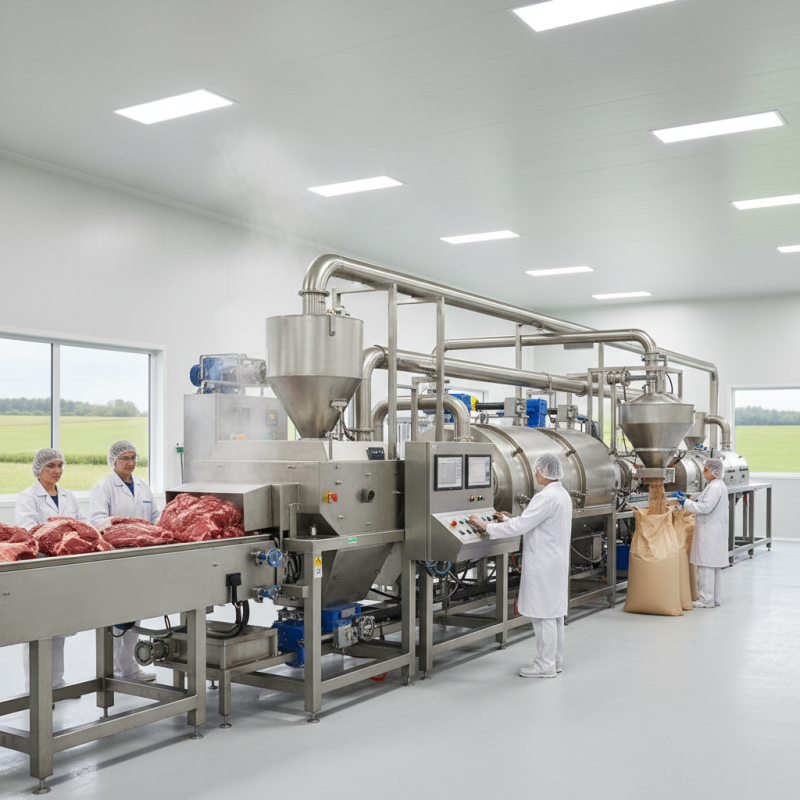
What is a Meat Meal Making Machine?
A meat meal making machine is an essential apparatus in the food processing industry. It transforms animal by-products into a high-protein meal suitable for animal feed. According to industry reports, the global meat meal market is expected to grow significantly, reaching over USD 2 billion by 2025. This growth reflects increasing demand for sustainable feed alternatives in livestock farming.
How does it work? These machines typically utilize a process of cooking, pressing, and drying to extract moisture and fat. All of this leads to a dry, nutritious powder that provides essential amino acids for livestock. The efficiency of these machines can vary, which raises concerns about energy consumption. Some processes may not optimize resource use, prompting a reevaluation of methods.
Meat meal making machines can produce varying product qualities based on raw material sources and processing techniques. It's essential for producers to monitor parameters closely. Small variations in temperature or pressure can significantly affect the final product's nutritional value. As companies strive for efficiency, understanding potential pitfalls within the production process is crucial for continuous improvement.
Components of a Meat Meal Making Machine
A meat meal making machine is essential for processing animal by-products into meal. It comprises several key components that facilitate efficient conversion. The heart of the machine is the grinder, which transforms large pieces of meat and bones into smaller particles. Advanced grinders use stainless steel blades for enhanced durability and performance, allowing for consistency in particle size.
The next vital component is the cooker. This unit cooks the raw materials under high temperature and pressure. This step not only ensures safety but also helps to extract fat and moisture efficiently. Research indicates that optimal cooking temperatures can lead to a nutrient retention rate of over 80%. The final stage involves the dryer, which removes the remaining moisture to achieve the desired meal quality.
Additionally, the system includes a control panel for ease of operation. Operators can monitor the cooking times and temperatures, ensuring consistency in the final product. However, machine efficiency can occasionally falter if maintenance schedules are not adhered to. Reports highlight that neglecting regular checks can lead to a drop in performance by as much as 20%. Proper upkeep is crucial for achieving high-quality meat meal consistently.
What is a Meat Meal Making Machine and How Does It Work? - Components of a Meat Meal Making Machine
| Component | Function | Material | Size (cm) |
| Chamber | Holds the meat mixture during processing | Stainless Steel | 100 x 80 |
| Mixer | Mixes the ingredients uniformly | Carbon Steel | 80 x 60 |
| Heating Element | Cooks the meat mixture | Aluminum | Variable |
| Filtration System | Removes impurities from the mixture | Stainless Steel | 50 x 40 |
| Control Panel | Allows users to set parameters | Plastic | 30 x 20 |
The Working Process of a Meat Meal Making Machine
A meat meal making machine is designed to process raw meat into a concentrated meal product. The working process starts with the initial grinding of the meat. This reduces it to smaller pieces, making it easier to extract nutrients. The machine operates at controlled temperatures, ensuring the preservation of essential proteins and fats.
Once ground, the meat is subjected to cooking. This phase often requires high heat, which helps eliminate bacteria and pathogens. According to a report by the Food and Agriculture Organization (FAO), properly processed meat meals can contain up to 50% protein content. This makes them a valuable ingredient for animal feeds. However, achieving this quality requires stringent monitoring of the cooking times and temperature.
After cooking, the machine often includes a drying phase. This removes moisture, extending the shelf life of the meat meal. However, if not monitored correctly, some machines can over-dry the product. This reflects the importance of precision in every step of the process. Understanding the nuances of how each phase affects the final product is vital for manufacturers to improve quality and reliability in their outputs.
Applications of Meat Meal in Various Industries
Meat meal, derived from animal by-products, finds extensive applications across multiple industries. Its high protein content makes it a valuable component in animal feed, particularly for poultry and aquaculture. According to a report by Allied Market Research, the global meat meal market is projected to reach $10 billion by 2027, driven by rising demands in livestock nutrition. Farmers increasingly rely on meat meal for its affordability and nutritional benefits, leading to its widespread use in commercial animal diets.
In the pet food industry, meat meal serves as a primary protein source. It allows manufacturers to create nutrient-dense formulations. Research indicates that pet owners are becoming more aware of their pets' dietary needs. As a result, the demand for high-quality meat meal has surged. However, this growing trend raises concerns about sourcing practices. Sustainable sourcing of meat meal is essential. The environmental impact of production methods must also be considered.
Additionally, the food processing sector utilizes meat meal for flavor enhancement. This aspect highlights a less discussed but significant role. However, it also prompts questions about quality control and consumer education. Transparency in sourcing and production can mitigate concerns about health risks associated with animal by-products. Thus, while meat meal holds promise, continued reflection on its usage and sourcing is crucial for industry stakeholders.
Applications of Meat Meal in Various Industries
Maintenance and Safety Considerations for Meat Meal Machines
Maintenance of meat meal machines is crucial for optimal performance. Regular checks can prevent unforeseen breakdowns. It is recommended to inspect components weekly. Common areas include blades, heat exchangers, and seals. If these parts are not functioning well, it can decrease the efficiency dramatically.
Safety considerations also play a vital role. According to the World Health Organization, improper handling of meat processing equipment can lead to safety hazards. Employees should be trained on machinery operation. Proper personal protective equipment should be worn at all times. Reports indicate that up to 30% of accidents can be avoided with adequate training.
Moreover, periodic maintenance logs should be kept. These logs help in tracking issues over time. If a part fails, the log can reveal whether it was a recurring issue. It is essential to address user feedback as well, as worker insights can pinpoint areas of concern that data may not reveal. Regular maintenance not only prolongs the life of the equipment but also ensures safety and quality in meat processing.